The real estate industry is constantly evolving, and plays a defined role in the design of architecture and how local communities live and interact. Today’s buyers and investors want more than just a building-they want modern design, permanent solutions, and new concepts that increase their lifestyle and long-term value. As a result, modern architecture is a trend in the development of properties in the urban landscape worldwide.
Sustainable and Green Designs
Stability is no longer optional – this is a requirement. Developers are now integratingg into their projects as solar panels such as solar panels such as environmentally friendly materials, energy-efficient systems, and renewable energy sources. Green roofs, harvesting of rainwater, and natural ventilation are made standard functions. These not only reduce environmental effects but also reduce long-term costs, making the characteristics more attractive for environmentally conscious buyers.

Smart Homes and Technology Integration
The emergence of smart technology has changed modern life. From automatic light and climate control to advanced safety systems, smart houses are in demand. Property developers now include the Internet of Things (IoT) units, smart locks, voice-controlled assistants, and energy monitoring systems to provide convenience and efficiency.
Mixed-Use Developments
Modern urban planning emphasizes systems and access. Development of mixed utilization, which connects housing, commercial, and recreation sites, is becoming increasingly popular. These projects create lively communities where citizens can live, work, and be social without promoting a balanced lifestyle, without long distances.
Minimalist and Functional Designs
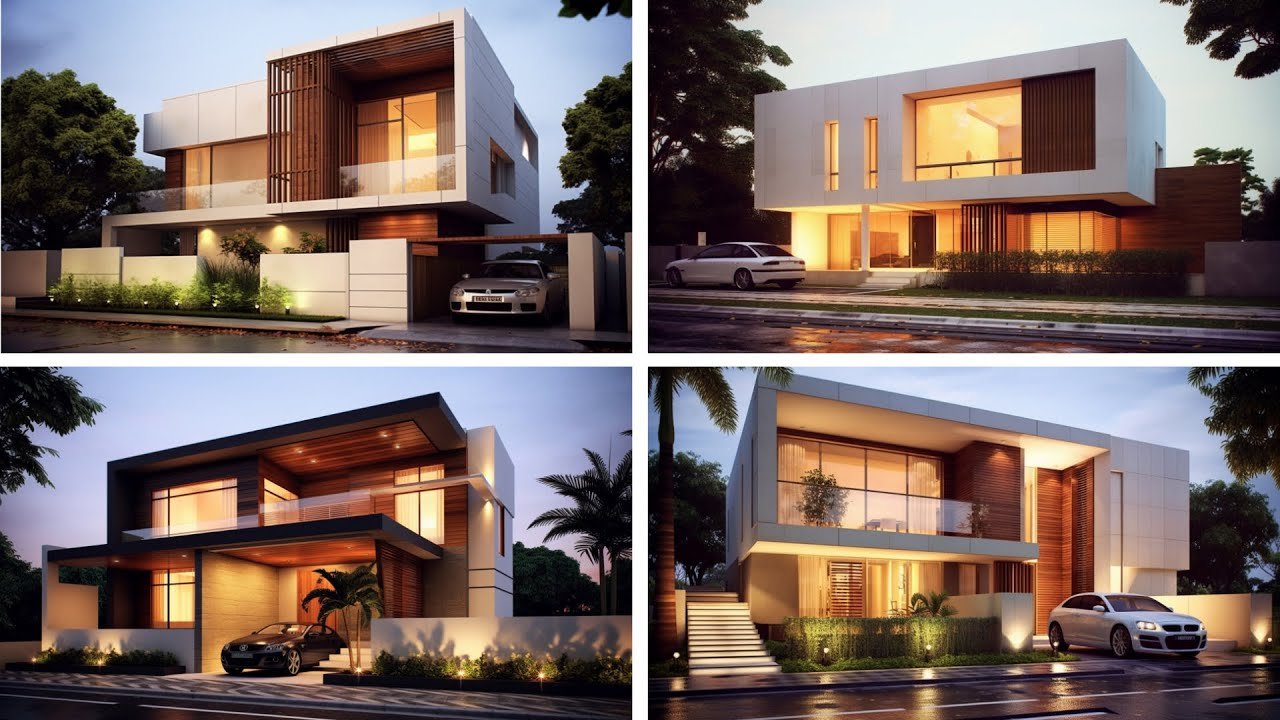
Concurrent buyers prefer simplicity, functionality, and open areas. Clean lines, open floor plan, and minimal design with witmulti-influencingng rooms define modern architecture. Natural light, large windows, and uncontrolled internal spaces improve both aesthetics and practicality.
Sustainable Construction Materials
Developers now focus on innovative and durable construction materials. Alternatives such as recycled steel, bamboo, engineering wood, and 3D-knot concrete get traction. These not only reduce costs but also match global stability goals, which makes projects ready for the future.
Focus on Community Living
In addition to individual buildings, modern properties emphasize community-oriented design. Shared green places, co -compensating areas, gym and leisure facilities promote participation and collaboration. This trend appeals specifically in search of social connection millennials and young families with privacy.
Adaptive Reuse and Urban Renewal
Reviving old buildings in modern places is another growing trend. Instead of tearing down, developers rebuild warehouses, factories, and cultural buildings in stylish apartments, offices, or retail. This approach preserves the story by meeting modern requirements.
Biophilic Design
Biophilic architecture brings nature closer to urban places. Features such as indoor gardens, vertical green areas, water elements, and natural textures create a soothing atmosphere. This trend not only increases mental welfare but also increases the appeal of property.
Final Thoughts
The future of real estate development is defined by innovation, stability, and lifestyle-centered design. Buyers and investors quickly seek assets such as balance functionality, comfort, and environmental responsibility. By embracing modern architecture trends, developers can build long-term valueand create local communities that reflect the needs of a dynamic and forward-looking society.