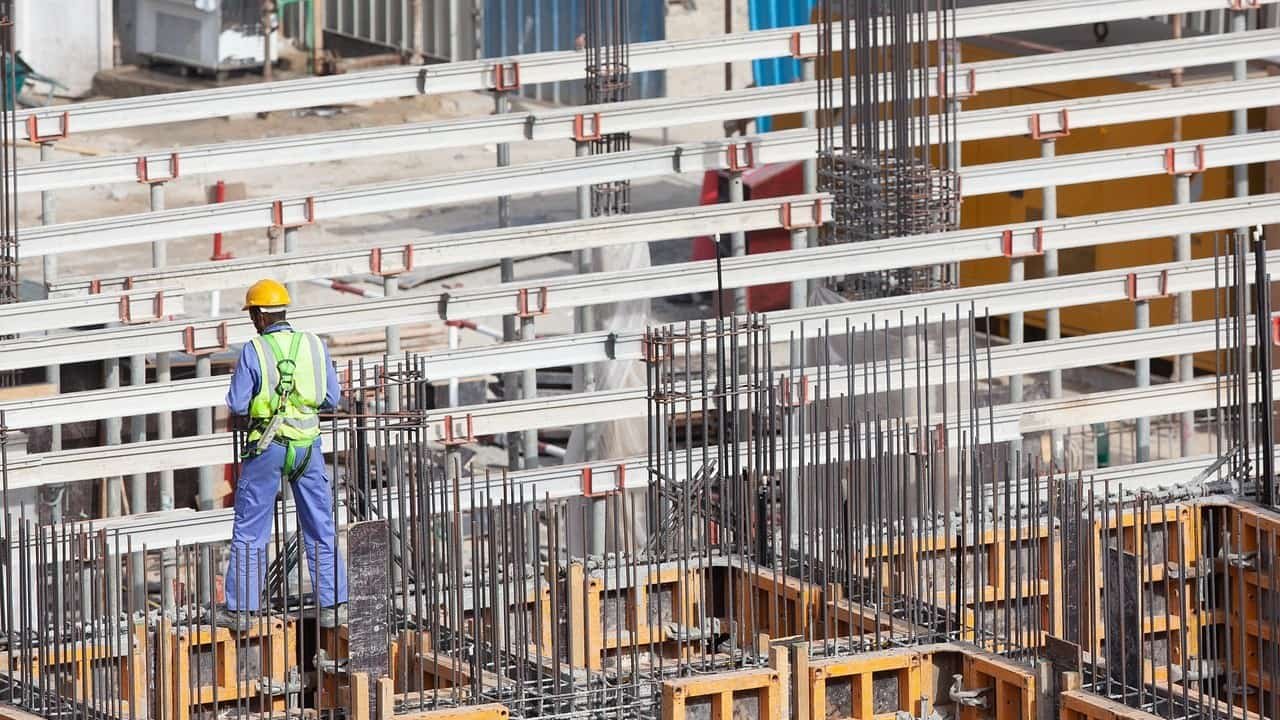
The construction industry is an important column for economic development, urban development, expansion of infrastructure and housing projects worldwide. However, when we enter 2025, the region faces a series of complex challenges affecting the deadline, costs and general stability of the project. From the lack of labor to technical adaptation, it is necessary to address these obstacles for developers, investors and decision makers.
Lack of Effective Labor
One of the most press issues in 2025 is the lack of skilled workers. When experienced workers retire and smaller young professionals enter the industry, the construction companies are struggling to fill the roles in carpenters, masonry and project management. This deficiency increases competition for delay, labor costs and qualified talent.
Solution: Companies should invest in training programs, trainees and automation to bridge the holes.
Rising Material Cost
Global inflation, disruption in the supply chain and the demand for permanent options have given rise to higher prices for building materials. Imperatives such as steel, cement and wood are expensive, which gives the budget a significant challenge for both small and large projects.
Solution: Using recycled materials and wholesale purchase strategies can help reduce costs.
Stability and Green Rules
In advance, with climate change, the authorities implement strict green building code and environmental standards. While these rules promote stability, they require companies to invest in environmentally friendly content, energy-efficient designs and waste cutting strategies-on-increase advance payments.
Solution: embraced permanent technologies to stay obedient and attract environmentally conscious investors.
Technical Adaptation
Construction technology moves quickly with innovations such as 3D printing, AI-operated project management and modular construction. However, many companies are struggling to adapt to high costs, lack of training and resistance to change.
Solution:The order of technology and workforce training can reduce the infection infection.
Supply Chain Resolution
Global political stress, epidemic and delays in shipping affect the reliability of the supply chain. Lack of necessary material and delayed delivery interferes with the project program and causes financial stress and dissatisfaction with the customer.
Solution: Installation of local supplier networks and maintenance of backup findings ensure smooth operation.
Security and Compliance Problems
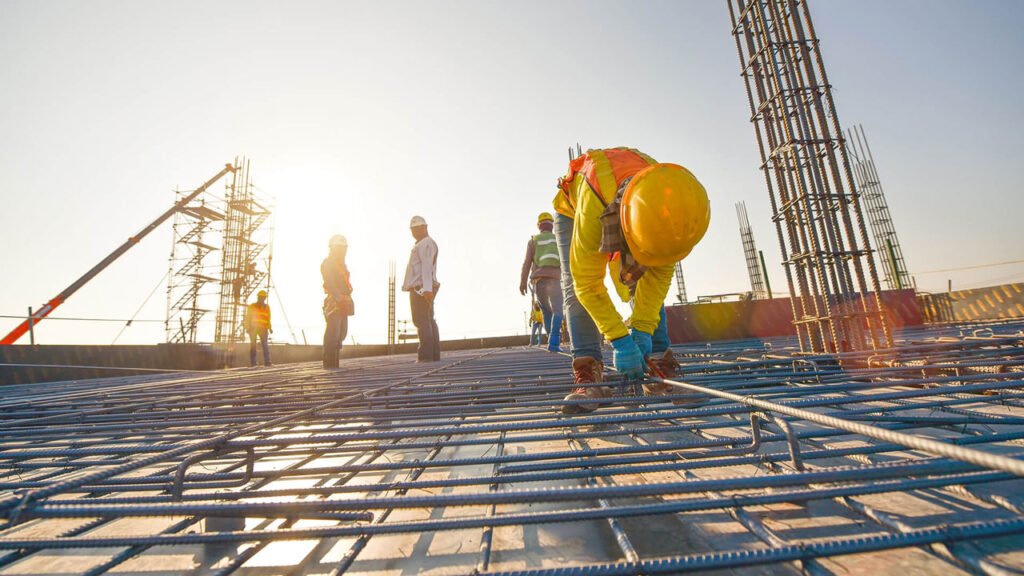
Construction is one of the most dangerous industries. By 2025, companies must face a double challenge in improving activists, in accordance with strict health and safety rules. Negligence can cause accidents, lawsuits and iconic injury.
Solution: Priority security training, adopts portable safety technology and implement strict protocols.
Urbanization and Lack of Space
Rapid urbanization creates space challenges in larger cities, where the availability of land is limited and expensive. Developers must find an innovative solution to maximize vertical and maximum land use without compromising on quality.
Solution: Explore construction with high growth, development of mixed utilization and smart urban planning.
Financial Uncertainty
Global recession, ups and downs in interest and unstable real estate market provide a new layer of uncertainty. Investors are careful, and it becomes difficult to secure the financing of the project and slow down the development of the overall industry.
Solution: Diversify projects, build strong investor relations, and focus on cost-efficient designs.
Final Thoughts
The construction sector in 2025 faces a critical turning point. Labor shortages, rising costs, and sustainability demands are reshaping the industry, while technology and innovation present opportunities for growth. Companies that embrace adaptability, invest in skilled workers, and adopt sustainable practices will not only overcome these challenges but also thrive in an increasingly competitive market.