
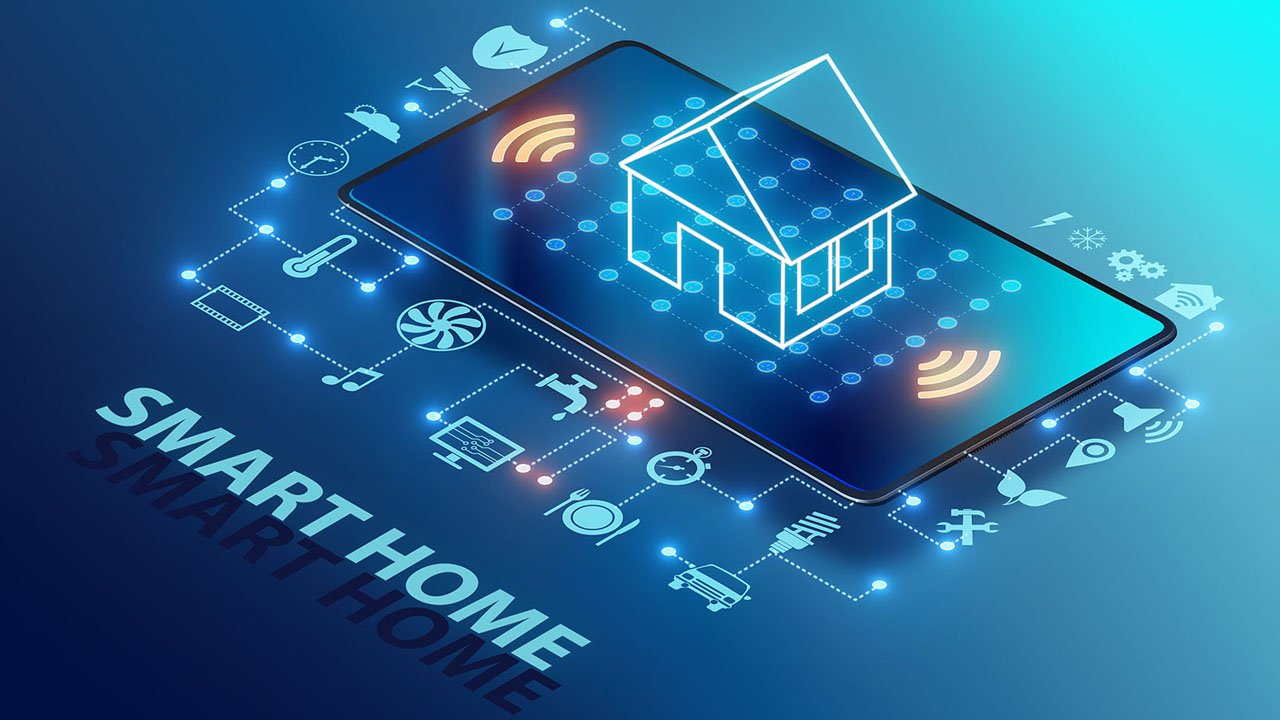
Smart Homes: Residential Real Estate comes into a new era, and smart houses are at the center of this change. With technology that is now woven into everyday life, home arches require places that combine comfort, efficiency, and safety. This change is not just about luxury – it becomes a standard for modern life. For investors, developers, and families, smart houses represent the future of housing.
What is a house “smart”?
A smart home uses technology and automation to improve the plant, safety, and energy efficiency. The devices are paired and controlled through smartphones, tablets, or voice assistants.
Large properties include:
- Smart security systems with cameras, sensors, and remote monitoring.
- Automatic lighting and climate control for comfort and energy savings.
- Energy-capable equipment that reduces use costs.
- Voice-activated assistant for spontaneous daily control.
- Integrated entertainment system for a modern lifestyle.
- These features not only make life easier over time but also make it more cost-effective.
Why Smart Homes Are Gaining Popularity
- The increasing demand for smart homes comes from many powerful trends:
- Plant: Homeowners can control equipment with a single button or a voice command.
- Safety: Smart locks, alarms, and cameras increase safety.
- Stability: Energy-efficient systems reduce bills and carbon footprints.
- Culture of home to work: Smart office and connection increase productivity.
- Review price: Property with advanced technology attracts more buyers.
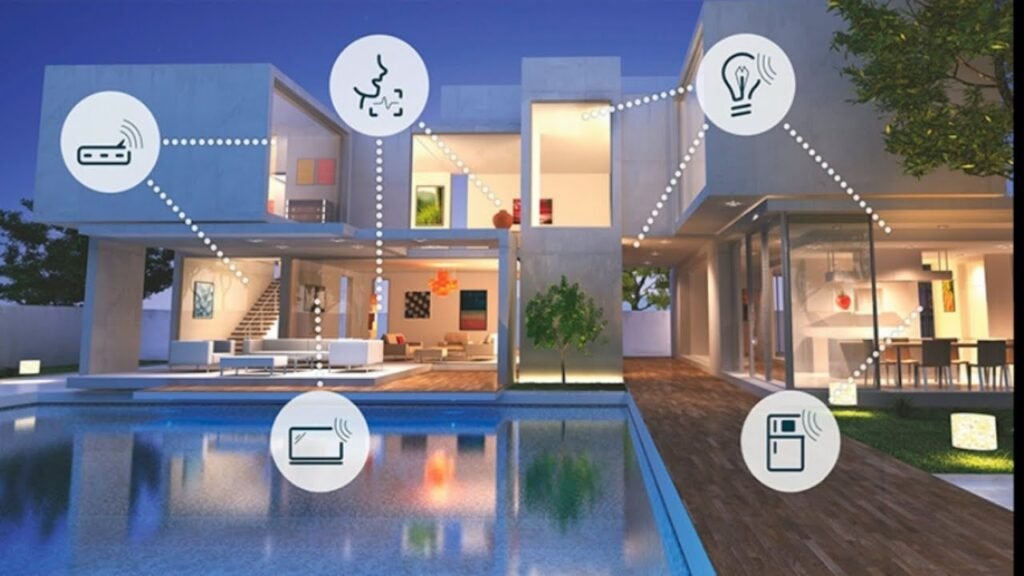
Since these benefits have become mainstream, more families need to see smart homes instead of alternatives.
Impact on the Real Estate Market
- Smart technology is re-forming real estate values and investment strategies:
- Higher property value – HoA use equipped with smart systems sells for a premium compared to traditional homes.
- The demand for strong price delegates prefers properties with built-in safety, energy savings, nd modern facilities.
- Fast sales – the listing that exposes smart features attracts more attention and hurries appointments.
- Developers who offer competitive benefits-smart-taiyar houses are in crowded markets.
- This change creates a new scale for the expectations of residential properties.
Challenges and Ideas
- While smart houses are exciting, they also raise important problems:
- The cost of installation may be higher, even if prices fall.
- Cybersecurity risk requires strong data security.
- Maintenance and upgrading are required to keep the system effective.
- Using technology can vary in markets, along the way with urban areas.
- Investors and developers should balance these challenges while planning future projects.
Future of Residential Real Estate
Looking ahead, smart homes will not just be a trend – they will be ideal. Integration with renewable energy, AIAI-operatedutomation and durable design will shape the next generation of housing.
- Hope to see:
- AIAI-operated energy management for low costs.
- Smart communities that live with shared resources and safety.
- Voice and gesture-controlled environment for increased convenience.
- Environmentally friendly construction is in line with global stability goals.
For homeowners and investors, you embrace smart home technology today, with today’s long-term relevance and value.
Final Thoughts
Smart homes are redefining what it means to live comfortably in the modern world. They offer a blend of security, convenience, efficiency, and sustainability that traditional houses cannot match. For buyers, they deliver a lifestyle upgrade. For investors, they promise higher returns and stronger demand.
As technology continues to advance, the residential real estate market will increasingly revolve around smart, connected living spaces. The shift has already begun, and those who adapt early will benefit the most.