
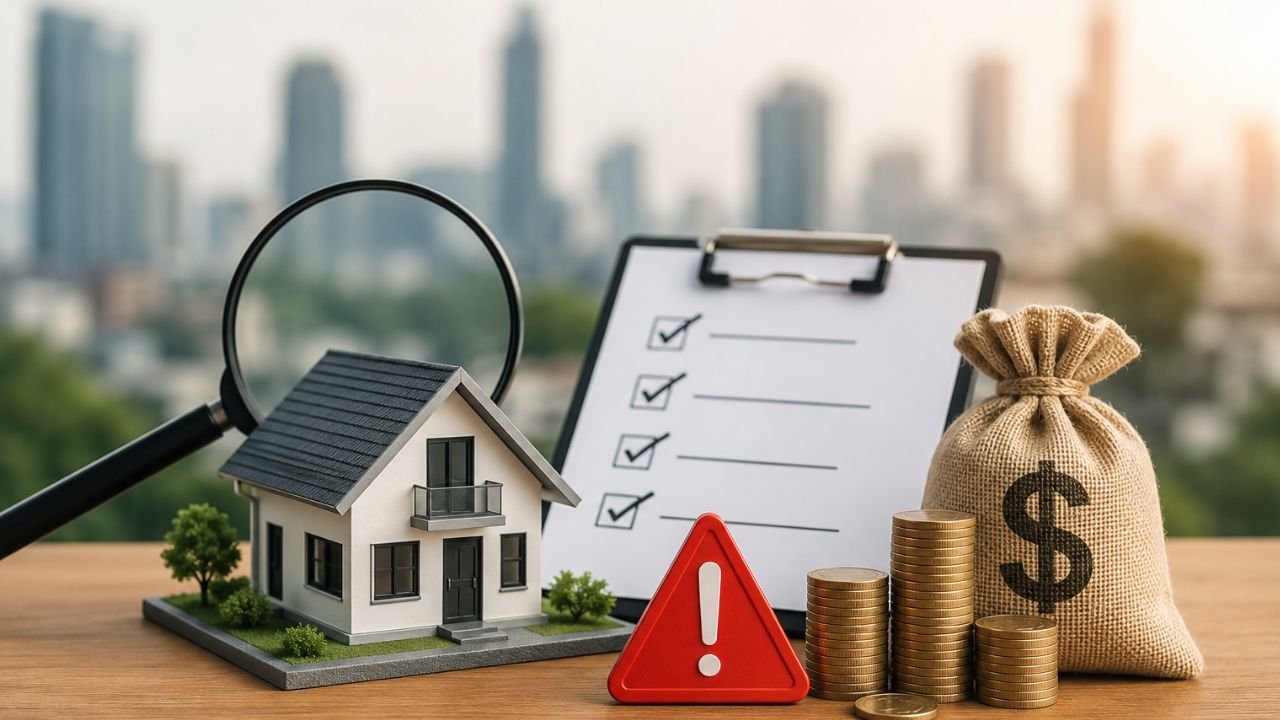
People have long considered real estate one of the most dependable investments for growing wealth. Making wise decisions is crucial whether you’re buying your first home property, investing in commercial real estate, or preparing for long-term returns. Many investors, especially newcomers, nevertheless make preventable errors that lower returns or perhaps cause financial loss.
Knowing the common real estate investment blunders to avoid will help you protect your portfolio and achieve your financial objectives.
Research-Based Investing
One of the most frequent errors investors commit is buying real estate without extensive investigation. Every residential complex has unique development strategies, legal approvals, market demand, and future development possibilities.
Research elements such as:
- Reputation of a developer
- Development status
- Local buildings
- Patterns of market pricing
- Future growth strategies
- Legal clearances
Spending time learning the market can greatly help you make better investment decisions.

Ignoring Whereabouts
Location will mostly determine how well a real estate asset performs. A house in a well-connected location with schools, hospitals, commercial malls, and road access usually does better than one in a less developed area.
Think about things like:
- Access
- Close by services
- Population increase
- Scheduled infrastructure developments
- Future business growth
A prominent site typically means more value increase and more demand for rentals.
Not Confirming Official Paperwork
Before buying a home, many customers underestimate the importance of checking ownership records and approvals. Getting real estate with legal conflicts or missing paperwork later might cause major issues.
Always double-check:
- Records of ownership
- Change papers
- NOC and permissions
- Tax records
- Record of payments
- Social acceptance level
These dangers can be reduced by working with a reputable real estate expert or competent legal counsel.
Investing Beyond Budgetary Constraints
Some customers purchase pricey homes without first considering their financial resources. This usually causes financial worry, delayed construction, or payment issues.
Create a practical budget with:
- Property value
- Taxes and transfer charges
- Registration expenses
- Cost of development
- If relevant, construction expenses
- Funds for emergencies
Staying within your financial means helps to preserve stability over time.
Anticipated Fast Returns
Generally speaking, real estate is a long-term asset. Though some assets rise quickly, expecting instant returns will lead to poor investment choices.
Usually, successful investors pay attention to:
- Long-range appreciation
- Income from rentals
- Diversification of portfolios
- Constant market growth
In real estate investing, patience is usually among the most important virtues.
Ignoring Changes in Market Behavior
Economic conditions, government policies, infrastructure development, and buyer demand all drive changes in real estate prices. Investors who disregard these trends could miss interesting opportunities or buy at negative prices.
Keep current by tracking:
- Reports on the real estate market
- Government housing programs
- Adjustments in the interest rate
- Announcements about infrastructure
- Local market activity
Understanding the market allows investors to make wiser timing decisions.
Ignoring Further Cost Opportunities
Many purchasers overlook other costs associated with owning real estate and focus only on the purchase price.
These costs could cover:
- Rights fees
- Duties on stamp
- Taxes on real estate
- Maintenance fees
- Utility connections
- Costs of renovations
Adding these expenses to your investing strategy keeps unanticipated financial pressure at bay.
Not Scattering Investments
Investing your entire budget in a single asset increases financial risk. Diversification reduces exposure to market risk.
Many seasoned investors diversify by purchasing:
- Residential properties
- Properties used for business
- Rentable residences
- Various residential societies
- Several sites
Greater financial stability comes from a diverse portfolio.
Selecting the Wrong Real Estate Advisor
Working with untested or unverified real estate brokers runs the risk of either bad advice or phony sales. An expert real estate advisor checks documents, gives precise market data, and assists with fair price negotiations.
Before you pick a consultant:
- See their reputation.
- Go over customer comments.
- Check market experience
- Make sure you know the local market.
- Make sure your communication is open and honest.
A reliable consultant might help the purchase process be safer and easier.
Permitting Emotions to Steer Choices
Another frequent error is purchasing real estate based solely on feelings rather than economic analysis. Investors ought to analyze each asset impartially based on its future demand, market value, and investment potential.
A disciplined, research-based method usually generates superior long-term outcomes to emotional decision-making.
Suggestions for Successful Real Estate Investment
To raise your odds of success:
- Examine every feature of a house very closely.
- Check every legal document.
- Invest within your means.
- Pick areas with excellent development possibilities.
- Watch trends in the market regularly.
- Collaborate with seasoned real estate experts.
- Aim for long-term instead of quick gains.
- Change the way you invest.
Conclusion
Whether you are buying your first plot or expanding your property portfolio, careful planning, market knowledge, and professional guidance will help you make confident and profitable real estate investments.
