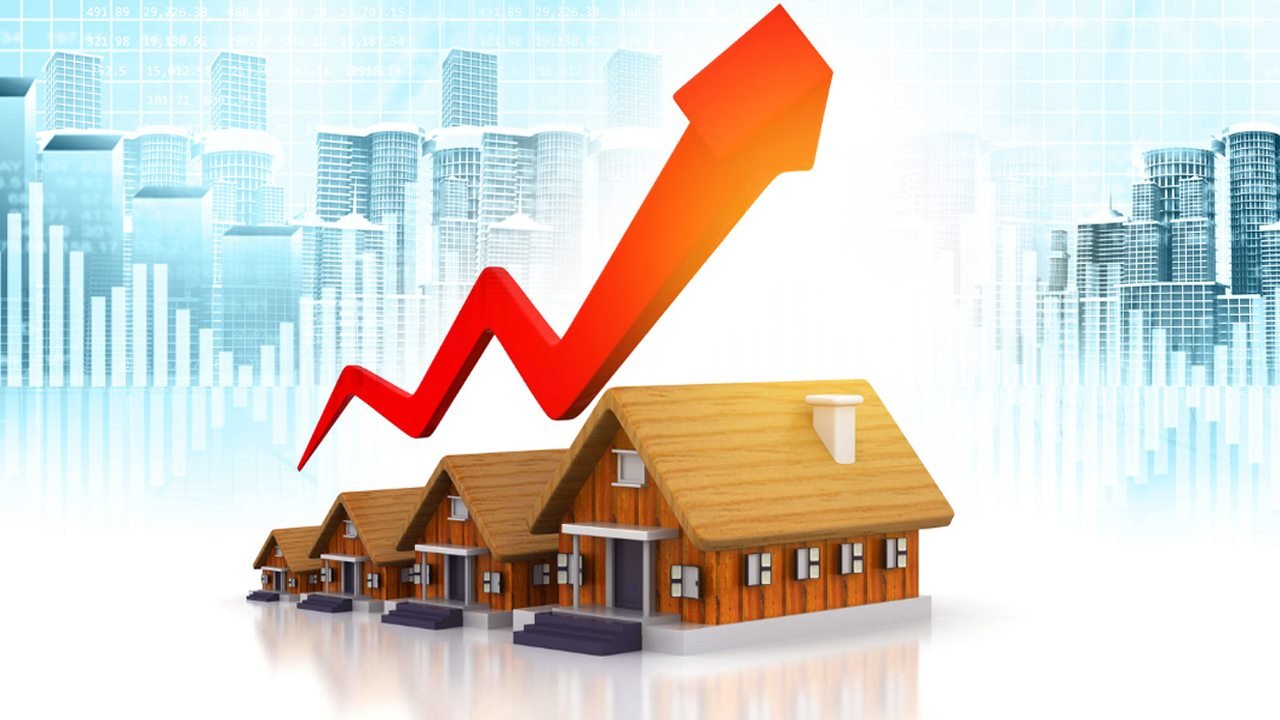
Property is more than just the ownership of the real estate-it is a motivating power behind urban development, employment generation, and long-term economic development. In today’s rapidly expanding cities, the real estate sector plays an important role in designing the social and economic landscape. From housing solutions to commercial hubs, properties provide the basis for rich urban economies.
Property as a Development Engine
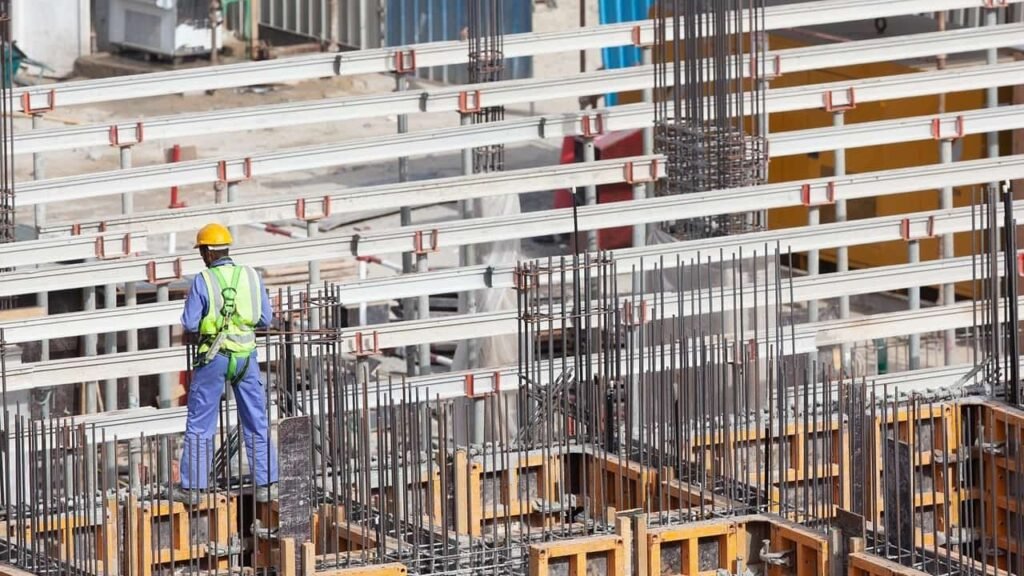
Urbanization continues to increase, and with the demand for housing, commercial spaces, and infrastructure. Property projects stimulate economic activities by attracting industries related to investments and direct support in construction, architecture, and interior design. Each new development increases employment opportunities and injects money into the economy.
Employment Generation in Many Fields
The real estate industry employs millions of people globally, and cities and towns are good examples of this effect. From construction workers and engineers to real estate agents and legal advisors, the sector improves a wide range of businesses. In addition, long-term roles such as real estate management and maintenance of comforts continue to generate revenue for years after the implementation of projects.
Infrastructure and Urban Development
Well-developed real estate projects improve urban infrastructure by constructing modern homes, road networks, commercial cers, and recreation sites. This development increases the quality of life and attracts businesses, causing more investment opportunities. Cities with strong property growth often see high productivity and better standards of living.
Property and State Income
Property contributes significantly to state revenues through development taxes, registration fees, and property taxes. This income provides more money for urban development, including health care, education, and transport systems. As property prices increase, the same ways make cycle occurs with an increase in the budget for the municipality and renewal.
Attract Foreign Investments
Urban real estate markets are an important attraction for foreign investors. With increasing demand in developing cities, international companies and individuals seek opportunities to diversify their portfolio. Foreign investments not only strengthen the property sector but also contribute to national economic stability.
Raise the Financial Markets
Loans for real estate loans, real estate investments (REIT), and strengthening the financial markets by encouraging other financial instruments. They create investment opportunities for individuals and institutions while increasing the liquidity of the economy.
Long-Term Economic Stability
Property provides property of stable and gratitude, providing long -term financial benefits. Unlike unstable industries, the property maintains permanent value, especially in urban areas where demand is continuous. This stability causes the investor’s confidence and fuels economic flexibility.
Conclusion
Property is the cornerstone of the city’s economic development. To develop infrastructure, generate employment, attract investments, and promote state income ensures that the city remains dynamic and competitive. To bloom urban areas, durable and good employee real estate development must be preferred.