
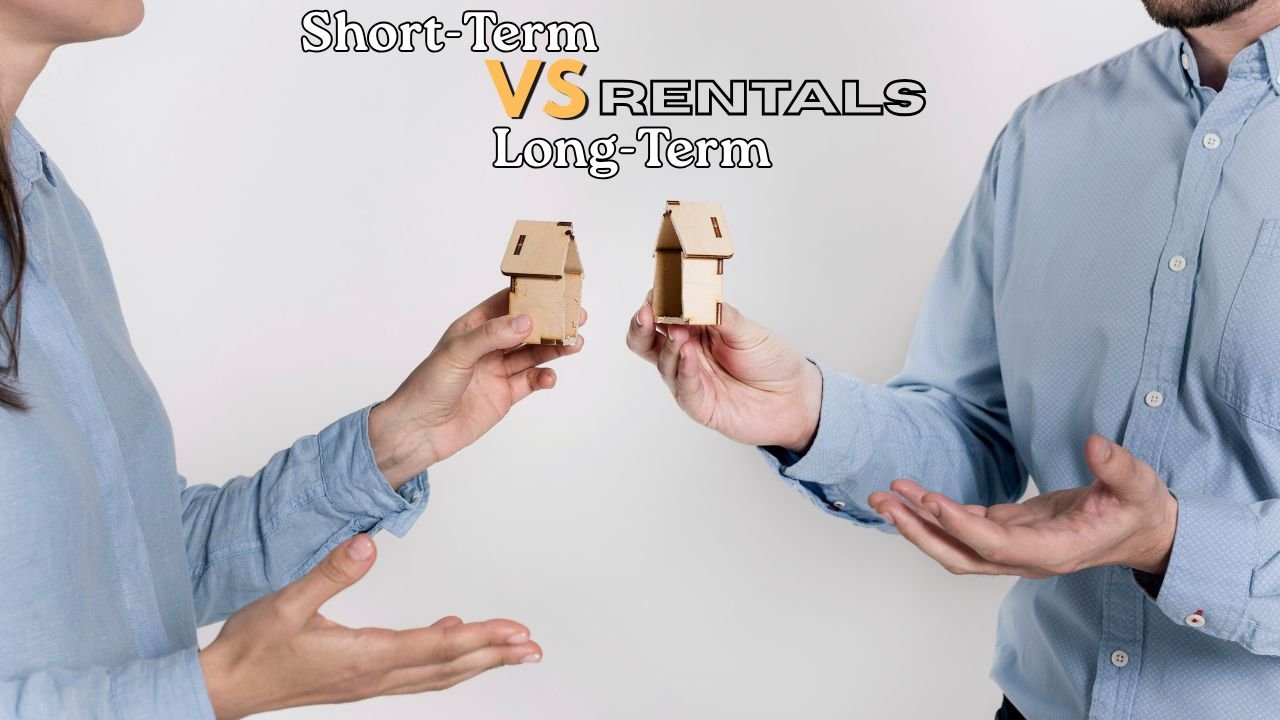
Investing in actual assets can be tremendously worthwhile; however, the form of apartment strategy you pick, short-time period or lengthy-time period, plays a massive role in your returns and control duties. Each approach has its pros and cons, and knowing them can help buyers make knowledgeable selections.
1. What Are Short-Term Rentals?
Short-term rentals are homes rented out for days, weeks, or months. Platforms like Airbnb, Vrbo, or Booking.Com are typically used to list these houses.
Examples:
- Vacation homes in traveler regions
- Apartments for enterprise vacationers
- City-center houses for quick remains
Advantages:
- Higher Income Potential: Short-term leases frequently charge extra consistent with nighttime than long-term rentals.
- Flexibility: You can alter apartment charges primarily based on seasons or demand.
- Personal Use: Investors can use the property themselves whilst not rented.
Disadvantages:
- Higher Management Effort: Frequent tenant turnover, cleansing, and protection required.
- Variable Income: Earnings depend upon occupancy prices, which could vary.
- Legal Restrictions: Some regions restrict brief-term leases.

2. What Are Long-Term Rentals?
Long-term rentals are residences leased for 6 months, 1 12 months, or more. These are standard residential or industrial rentals.
Examples:
- Apartments for families or professionals
- Houses leased for a couple of years
- Office areas with annual contracts
Advantages:
- Stable Income: Regular monthly hire guarantees a predictable cash flow.
- Less Management: Fewer tenant modifications and less upkeep
- Lower Risk: Long-term rentals reduce emptiness.
Disadvantages:
- Lower Income Potential: Monthly hire is generally much less compared to short-term period charges.
- Less Flexibility: Tenants might also lock you into lengthy contracts.
- Limited Personal Use: You can’t use the belongings while they’re rented.
3. Factors to Consider for Investors
When deciding between short-time period and lengthy-time period rentals, traders ought to take into account:
- Location: Tourist areas are higher for brief-term leases, even as residential neighborhoods suit lengthy-term leases.
- Management Capacity: Short-term rentals require extra active management, cleaning, and advertising and marketing.
- Cash Flow Needs: Long-term rentals provide constant income, while short-term rentals can carry better, but variable earnings.
- Legal Environment: Some towns or societies restrict short-term rentals. Always take a look at the rules.
- Investment Goals: Are you seeking constant returns, or willing to take risks for higher profit?
4. Hybrid Approach
Some buyers combine each strategy:
- Seasonal Short-Term Rentals: Use short-term rentals at some stage during the height of the traveller season, then hire long-term rentals for the duration of the off-season.
- Property Diversification: Own multiple homes, a few for long-term periods and a few for brief-term periods, with condominium income.
This approach can balance income with better returns.
Conclusion
Both quick-time period and lengthy-time period condo techniques have their specific benefits and challenges. Short-term leases can generate better profits but require greater effort and risk management. Long-term leases offer balance and much less stress; however, they may also have lower monthly returns.
For buyers, the key is to approach with location, market demand, and private desires. With the right planning, either method may be a profitable way to earn passive income from real property.